
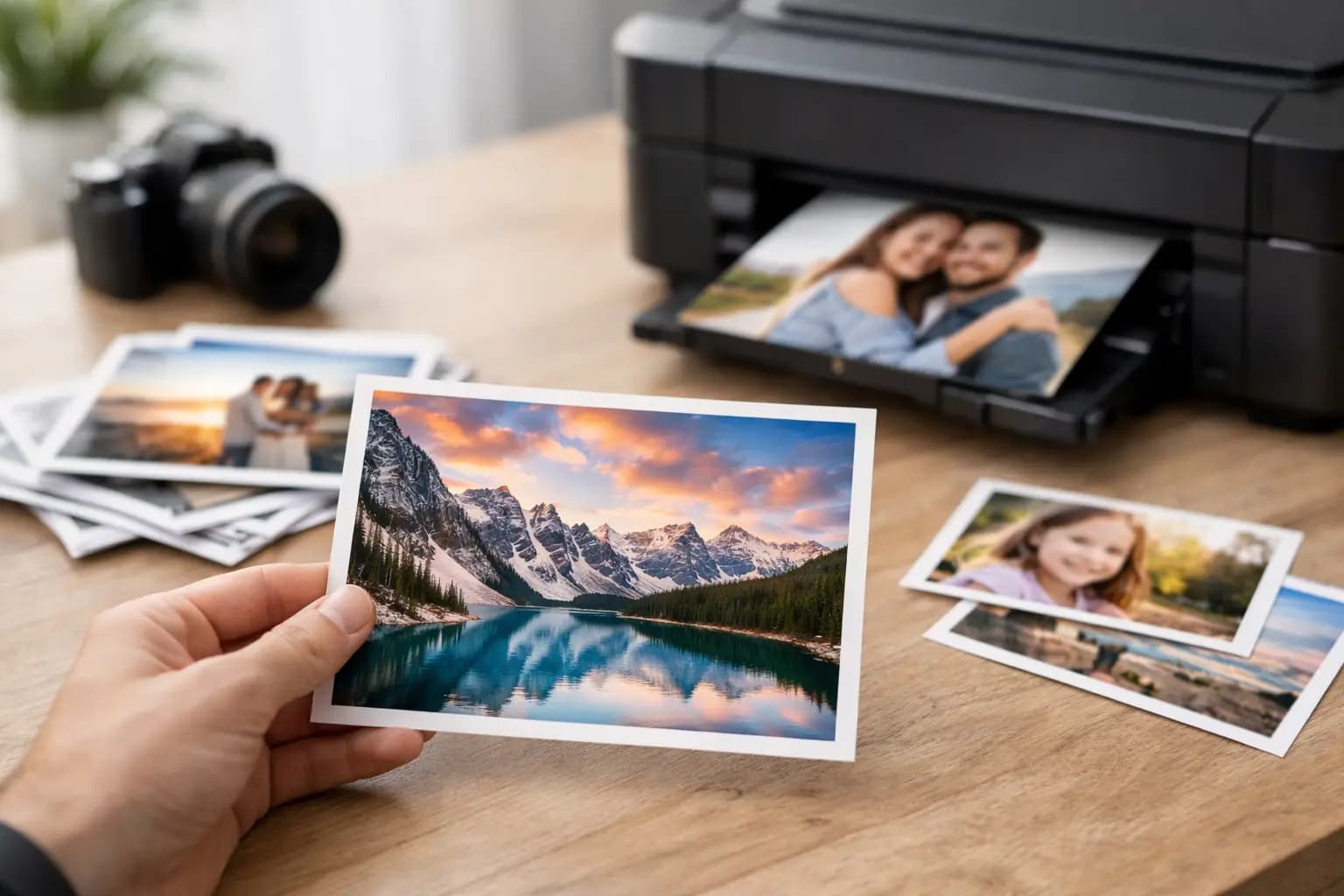
A photo can look perfect on your mobile phone, then turn up dull, dark or soft when printed. That gap is exactly why professional photo printing matters. If you want prints for an album, framed enlargements for the wall or a personalised gift that still looks good after the occasion has passed, the quality of the lab, paper and finishing makes a real difference.
What professional photo printing actually means
Professional photo printing is not just about using a bigger machine or charging more for a print. It means your images are produced with proper lab equipment, tested papers, accurate colour handling and finishing that is designed to last. The result should be cleaner detail, more natural skin tones, stronger blacks and a better balance between highlights and shadows.
That matters whether you are printing a handful of family photos or ordering a larger batch for albums, frames or gifts. A reliable lab also helps reduce the common problems people notice straight away - cropped heads, muddy colours, pixelation and prints that feel flimsy in the hand.
For most customers, the aim is simple. You want the print to look like the memory deserves, without needing to learn professional editing software or spend hours placing an order.
Why professional photo printing looks better than standard prints
The difference usually comes down to consistency. Cheap printing can be fine for quick jobs, but results often vary from one order to the next. A professional lab is set up to keep colour, density and finish more controlled, so your holiday photos, wedding pictures or family portraits come back looking balanced rather than hit and miss.
Paper choice plays a part too. Good photo paper holds detail better and gives colours more depth. Gloss can add punch and contrast, while lustre or satin often gives a smoother, less reflective finish that works well for framed photos and portraits. Matte can suit certain images, but it may look flatter if the original file lacks contrast.
Then there is durability. Properly produced prints are made to be handled, framed and displayed without feeling like throwaway copies. If you are creating a photo album, sending prints to relatives or turning a favourite image into wall art, that extra quality is worth having.
Choosing the right format for the photo
Not every image suits the same print size or shape. This is where many disappointing orders start. A photo taken on a phone is often cropped differently from a classic print size, so part of the image may need trimming unless you choose a format that matches it more closely.
Standard prints are the obvious choice for albums, boxes and everyday framing. Square prints work well for social media shots and simple modern displays. Retro-style prints are popular for gifts, parties and memory boards because they have a casual look and space for captions. Panoramic prints suit landscape scenes, city skylines and group shots where width matters.
Larger formats need more care. A picture that looks crisp on a screen may not hold enough detail for a poster-sized enlargement. That does not mean you cannot print it, but the final result depends on the original file quality, how much it has been cropped and how far away it will be viewed.
Getting better results from phone photos
Most people now order prints straight from their mobile phone, and that is absolutely fine. Modern phones can produce very good images for professional photo printing, especially in decent light. The key is to start with the best version of the image you have.
If possible, avoid screenshots, downloads from messaging apps and heavily filtered versions saved at a lower quality. These often lose detail before the print process even begins. The original image from your camera roll is usually the safest option.
Brightness also matters more than people expect. Screens tend to make photos look brighter than they really are, so an image that looks fine on your mobile phone can print a little dark. If a photo already looks dim on screen, it is likely to stay dim in print. A small adjustment before ordering can make a big improvement.
Professional photo printing for gifts and home display
Printing is not only about loose photos. Many customers want something ready to give or display, and this is where professional finishing becomes even more important. A mug, slate, photo block or canvas only works if the image is sharp enough and the colours stay clean across the surface.
The right product depends on how the photo will be used. A framed print is a dependable option for portraits and family occasions. Canvas suits larger decorative images and softer scenic shots. Aluminium panels can give a crisp, modern finish with strong colour. Smaller items such as keyrings, magnets and mugs are ideal for birthdays, thank-yous and seasonal gifts, but simple, uncluttered images usually work best on these products.
It is worth being realistic here. Not every photo suits every product. A busy group shot may look fine as a standard print but feel cramped on a small gift item. A wider landscape may be far better on a panoramic print or wall piece than on a square format.
What to check before you place an order
A straightforward ordering process is helpful, but a few quick checks can save disappointment. First, look at the crop. If the preview shows part of the image being cut away, adjust it before you confirm. This is especially important for portraits, where heads and hands are often close to the edge.
Next, think about finish and purpose together. Gloss is good for vibrant colour, but reflections can be awkward in bright rooms or behind glass. Lustre or satin is often the safer all-round choice for framing. If you are ordering for an album, standard prints on quality paper usually give the best balance of finish and value.
Finally, consider timing. If the prints are for an event, birthday or last-minute gift, production speed matters as much as print quality. A UK lab with tracked delivery and clear turnaround times is often the more dependable option than waiting on an uncertain overseas service.
Why a UK lab makes a practical difference
For everyday customers, local production is not just a selling point. It affects delivery speed, support and peace of mind. When your order is produced in a UK lab, it is generally easier to get accurate lead times and quicker dispatch, and there is less chance of long delays in transit.
It can also help when you need advice. If you are choosing between print finishes, ordering a wall enlargement or sorting older film and photos, being able to use a service with real store support can make the whole process simpler. That blend of online ordering and physical photo services is still useful, especially for customers with a mix of digital images and older family archives.
This is one reason many customers choose Photo Zone. They want lab-quality printing, practical product choice and fast service without having to open an account, learn specialist software or guess which option to pick.
When professional photo printing is worth paying for
Not every image needs the highest-spec product available. If you are printing quick snapshots for a scrapbook, a standard print may be all you need. But for milestone moments, gifts and display pieces, professional photo printing is usually the better buy because the result lasts longer and looks more polished from the start.
The value is not only in sharpness or colour. It is in getting an order that arrives correctly cropped, properly finished and ready to use. That saves time, avoids reprints and means the photos you care about do not end up forgotten in a digital folder because the first print attempt was disappointing.
A good print should feel easy to order and satisfying to receive. If the image matters to you, it is worth choosing a service that treats it like it matters too.
The best place to start is simple: pick a few photos you already know you want to keep, choose the format that suits them properly, and print them while they still mean something today.