
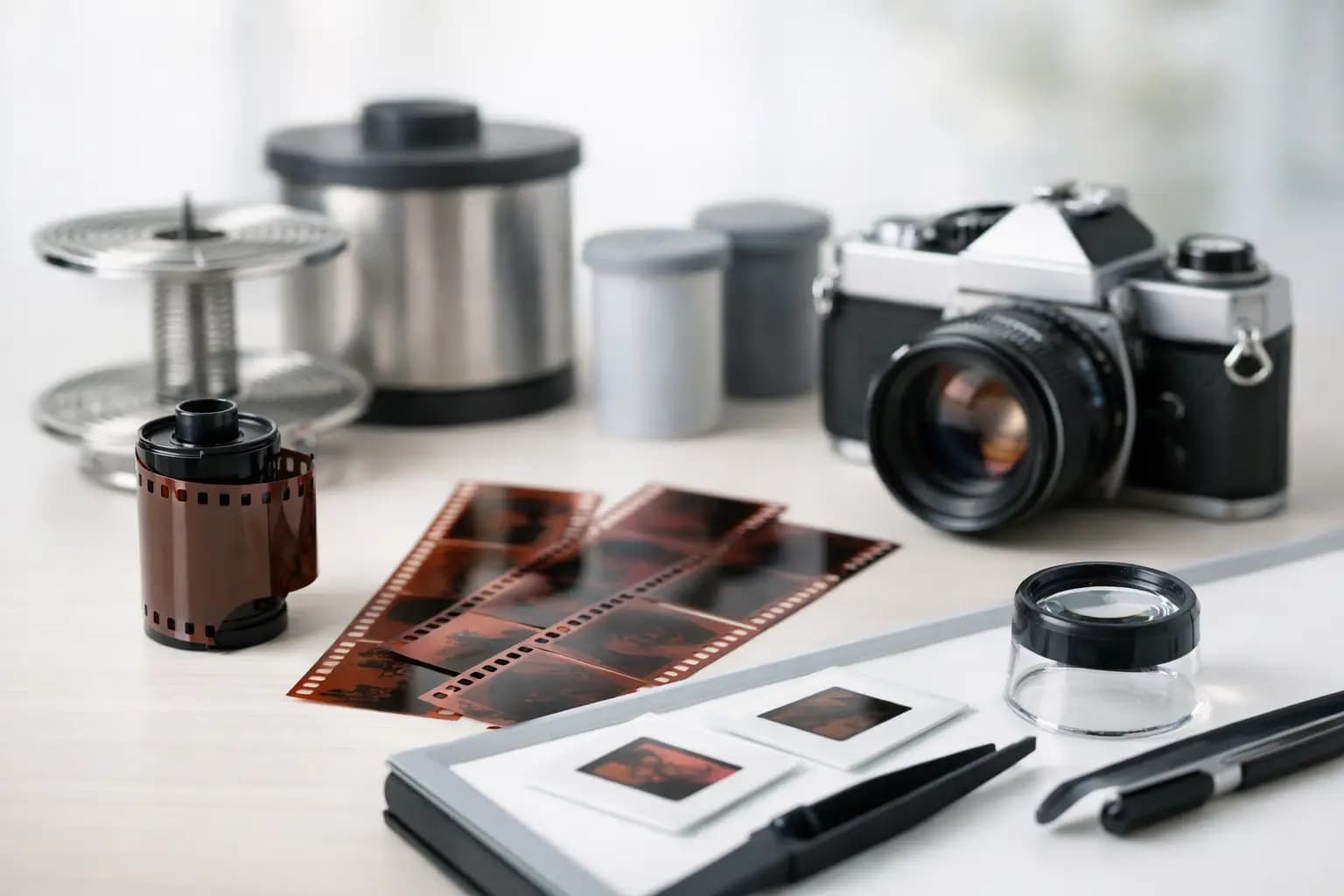
A roll of 35mm film can sit in a camera bag for months, then suddenly become urgent. Maybe it is holiday photos, a family gathering, or frames from a camera you have only just picked up again. When you start looking for 35mm film processing UK services, what matters most is usually quite simple - you want your film handled properly, developed without fuss, and returned quickly with results that look right.
What to look for in 35mm film processing UK services
Not every film lab offers the same service, and the differences matter more than most people expect. Some customers only want negatives developed and returned. Others want scans ready to share, or printed photos they can put straight into an album or frame. Before you send a roll anywhere, it helps to check exactly what is included.
Turnaround is one of the first things people look at, and rightly so. If you have just finished a roll from a trip or an event, waiting weeks for basic processing can be frustrating. A UK lab with clear timescales is usually the safer choice, especially if you want your negatives back promptly and do not want to deal with customs delays or uncertain international post.
Quality control is just as important. Film processing is not complicated when done well, but it does depend on consistency. Clean chemicals, careful handling and accurate scanning all affect the final result. A cheap service is not always poor, but if pricing looks unusually low, it is worth checking what you are actually getting.
Develop only, scans or prints?
This is where a lot of customers pause, especially if they have not used film for years. The right option depends on what you want to do with the images once the film is processed.
Develop only is the most basic service. Your film is processed and returned as negatives. This works well if you already have a preferred scanner, or if you simply want to archive the film first and decide on scans later. It is often the lowest-cost route, but it is not always the most practical for everyday customers.
If you want convenience, developing with scans usually makes more sense. You get your negatives back, but you also receive digital files that are easy to view, store and share. For many people, that is the best balance between keeping the original film and having usable images straight away.
Prints are still worth considering too. Digital files are useful, but printed photos are often the end goal, whether that means a few favourites for frames or a full set for an album. A lab that can process your film and produce proper photo prints saves time and keeps everything in one place.
Why UK-based processing is often the better option
There is a practical reason many customers prefer to keep film processing in the UK. Film is irreplaceable once exposed. Sending it overseas may offer a lower headline price in some cases, but the trade-off is usually slower delivery, more handling in transit and less certainty if anything goes wrong.
A UK lab is generally easier to deal with. Postage is simpler, turnaround is easier to predict, and support is more straightforward if you need to ask a question before or after ordering. That matters if you are sending multiple rolls, older film, or pictures with real sentimental value.
There is also the issue of speed. If you choose a UK service with clear ordering and tracked return options, the whole process tends to feel much more manageable. That is particularly useful for customers who are not film hobbyists and simply want the job done properly without extra steps.
How to post 35mm film safely
If you are not dropping film into a local store, posting it to a lab is the next best option. The main thing is to pack it securely and label it clearly.
Keep exposed rolls in their canisters if you still have them. If not, wrap them so they cannot come open in transit. A padded envelope or small postal box is usually enough for a few rolls, provided the film is not loose and able to move around. Add your order details carefully so the lab can match your film to the right service.
It is also sensible to avoid leaving film in very hot places before posting. Normal postal handling is usually fine, but prolonged heat in a car or by a window is not ideal. If your film has been sitting around for a while already, there is no need to panic, but it is worth sending it off sooner rather than later.
What affects the final quality?
Customers sometimes assume the quality of film photos depends entirely on the camera or the person taking the picture. That is only part of it. Processing and scanning make a real difference.
A good lab will process the film correctly, but scans are where many people notice the biggest variation. Lower-resolution scans can be perfectly fine for phone sharing and small prints. Higher-resolution scans are better if you want to crop, enlarge or keep stronger digital copies for the future. Neither option is automatically right or wrong - it depends on how you plan to use the images.
Film condition matters too. Expired film, old rolls kept in poor storage, or film that has been x-rayed repeatedly may still produce images, but the results can be less predictable. That does not mean it is not worth developing. It just means expectations need to be realistic. Sometimes grain, colour shifts or reduced contrast are part of the look. Sometimes they are signs that the film has simply aged.
Is all 35mm film processed the same way?
Not quite. Most everyday colour negative film uses standard C41 processing, which is what many customers need. Black and white film is different, and slide film is different again. If you are unsure what type of film you have, check the cartridge or the box if you still have it.
This is one of those areas where a straightforward lab service really helps. Clear service descriptions reduce mistakes and make it easier to choose the right processing option first time. If a roll is unusual, damaged or unlabelled, it is better to say so when ordering rather than hope for the best.
What makes a service feel easy from the customer side?
For most people, convenience matters just as much as technical quality. A good 35mm film processing UK service should not feel like hard work. Clear pricing, simple ordering and reliable turnaround all count.
It also helps when there is no unnecessary friction. Many customers do not want to create accounts, decode specialist jargon or compare ten different scanning tiers just to develop one roll from a point-and-shoot camera. They want a sensible service, fair pricing and confidence that the negatives will be looked after.
That is where an established UK photo lab can make a difference. If a company already handles prints, enlargements and specialist photo services under one roof, it is usually better placed to support customers who want more than one thing done with their images. A processed film roll can easily become a set of prints, an album, a framed enlargement or a personalised gift later on.
When faster turnaround matters
Not every film order is urgent, but sometimes speed does matter. You may have taken pictures at a wedding, a birthday, a school event or during a family visit and want them ready while the moment still feels current. In those cases, clear production times are more useful than vague promises.
There is always a balance between speed and service depth. More detailed scanning or larger print orders can take longer, and that is reasonable. What customers generally want is honesty - a realistic turnaround and a service that delivers what it says it will.
For that reason, many people choose a provider that combines online ordering with real store support. Businesses like Photo Zone offer a practical middle ground: UK lab production, postal convenience, and the reassurance that specialist services are being handled by a company used to working with both digital and analogue photo orders.
If you have a roll of film waiting in a drawer, the best next step is usually the simplest one - send it to a trusted UK lab, choose the format you actually need, and get those images back where they belong.